Understanding Nerve Sensitization and When IMS Can Help
Have you ever wondered why standard stretching, hot baths, or deep tissue massages fail to resolve persistent, aching tight spots? When a stubborn muscle refuses to let go despite months of effort, the culprit often isn't the muscle tissue itself: it’s a hyper-reactive nervous system keeping that muscle locked in a protective pattern.
Understanding how nerve irritation works is often the missing piece for people who've tried everything else, and it's exactly what IMS needling in Edmonton is designed to address.
Why Some Pain Doesn't Respond to Rest or Time
A previous disc irritation or surgery can leave a nerve root sensitive after the original tissue damage has improved. That ongoing irritation may influence the muscles supplied by the nerve, encouraging them to stay shortened or guarded.
Over time, this can create a feedback loop. The sensitive nerve continues influencing muscle tension, while the guarded muscle contributes to discomfort and restricted movement.
Why Stretching, Massage, and Rest Can Plateau
Hands-on treatment and stretching can be useful, but relief may be temporary when the underlying cause has not been identified. Recurring symptoms can be a reason to reassess the source rather than repeatedly treating the same painful area.
Certain findings may prompt a physiotherapist to investigate nerve involvement more closely. These include:
Sensory changes such as tingling, burning, or numbness
Visible muscle thinning or changes in muscle bulk
Pain that follows a recognizable line rather than staying in one spot
Where IMS Needling Fits Into Treatment
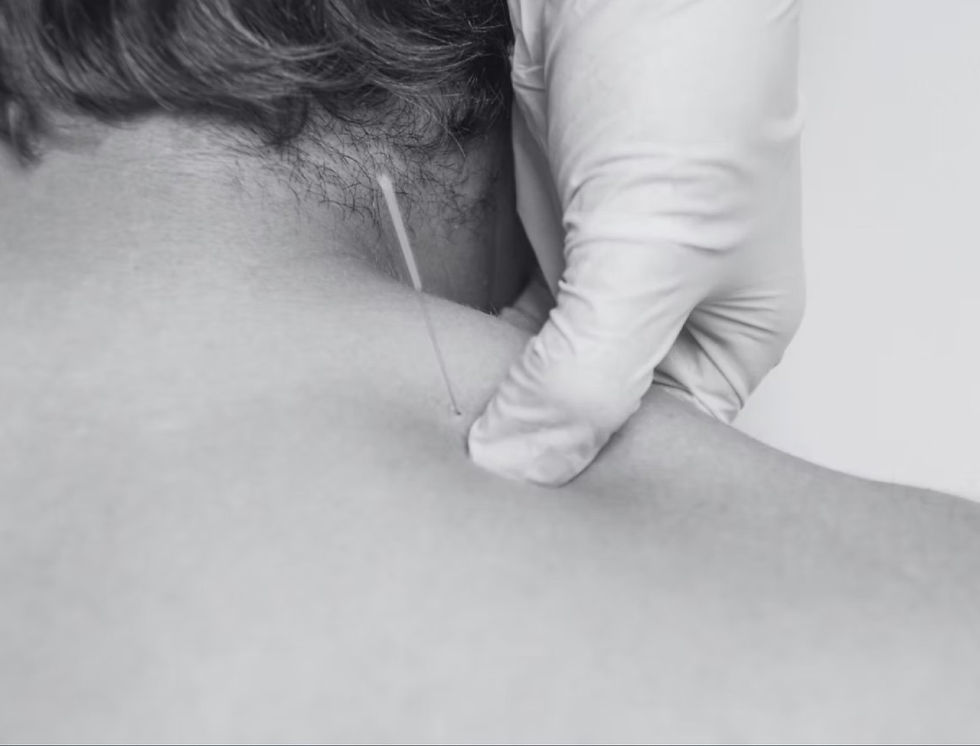
Intramuscular stimulation (IMS), a form of dry needling, is used to address muscle dysfunction associated with nerve irritation. A physiotherapist identifies relevant shortened muscle bands and uses fine sterile needles to stimulate the tissue, which often produces a brief twitch or cramping response and helps reduce excessive muscle tension.
Treatment begins with assessment rather than automatically needling the painful area. Reach Sports Physiotherapy and Hand Clinic combines IMS with active rehabilitation, so changes in muscle tension can be followed by movement and strengthening work.
What Recovery Actually Looks Like
Consider someone with long-standing leg pain following a period of back irritation. If assessment suggests ongoing nerve sensitivity with protective muscle guarding, treatment may include IMS alongside exercises that progressively restore comfortable movement and strength.
The response is not necessarily permanent after one visit. Some people experience temporary muscle soreness or fatigue following needling, while the broader rehabilitation plan is adjusted according to symptoms and progress.
Explore IMS Needling in Edmonton for Persistent Nerve-Related Pain
When treatment has plateaued, a closer assessment of nerve involvement may help explain why symptoms continue. At Reach Sports Physiotherapy and Hand Clinic in Edmonton, we provide personalized, evidence-based physiotherapy with one-on-one assessment and treatment sessions, combining IMS needling with active rehabilitation when appropriate.
Contact our clinic for more information, or schedule an appointment online to determine whether this approach fits your needs.
FAQs
How common is chronic pain in Canada?
According to Health Canada, nearly 8 million, or 20%, of people in Canada experience chronic pain. Chronic pain can affect physical function and everyday activities, and treatment plans may include physical therapy alongside other approaches.
Is IMS suitable for every type of chronic pain?
No. IMS is one treatment option and is not appropriate for every presentation. A physiotherapist should assess your symptoms, movement, and contributing factors before deciding whether needling should be included in your rehabilitation plan.
