Post-Operative Care: Recovery from Surgery for Tenosynovitis of the Wrist
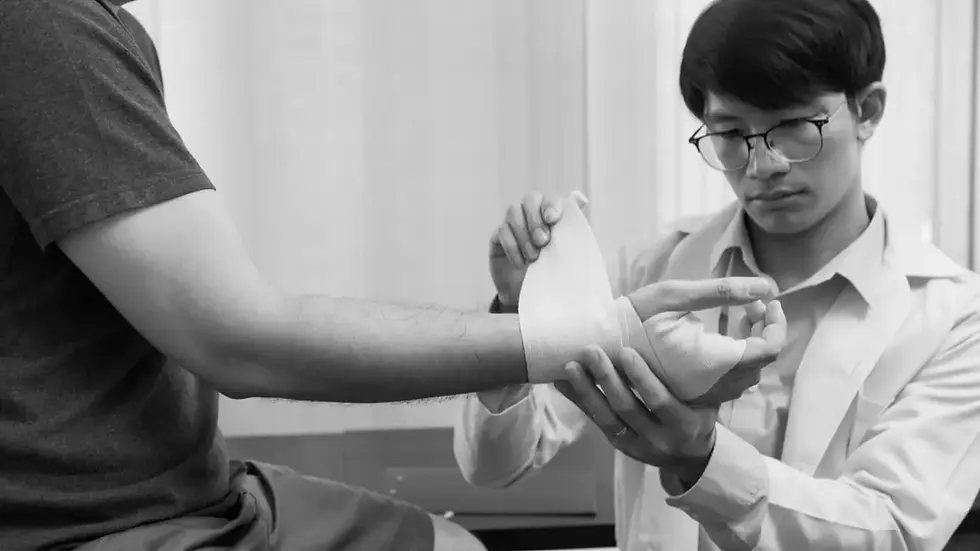
Undergoing surgery for De Quervain's tenosynovitis is a significant step toward reclaiming the pain-free use of your hands, especially when conservative measures fail to provide sufficient relief. While the surgeon addresses the mechanical blockage, the journey to full recovery depends heavily on a structured rehabilitation plan.
We’ve put together this guide on the essential phases of rehabilitation to help you confidently navigate your recovery from surgery for tenosynovitis of the wrist.
Understanding Surgery for Tenosynovitis of the Wrist
This surgery widens the narrow tunnel where your tendons slide to stop painful friction. By releasing the sheath, the surgeon ensures tendons can glide freely, resolving the pain and catching sensation often found in advanced De Quervain's tenosynovitis.
While surgery fixes the structural issue, physical therapy restores your strength and coordination. Professional hand therapy bridges the gap between the operating room and your daily life by optimizing the biological healing process and preventing lasting stiffness.
Immediate Post-Surgical Priorities
The first few weeks following your procedure are vital for setting the stage for a successful outcome. Hand therapists focus on several key pillars during this initial phase:
Wound Care: Managing the incision site is the first step to preventing infection and minimizing restrictive scar tissue.
Early Motion: We start gentle, controlled movements early to ensure the tendons glide freely and do not adhere to surrounding tissues during healing.
Protective Bandaging: Light splinting or specialized compression ensures the internal tissues remain supported and protected during the initial recovery stage.
Progressing to Full Activity
Once the incision has healed, the focus shifts toward desensitizing the area. We use specific techniques to make sure the surgical scar is not painful or overly sensitive to touch, which helps you regain comfort during daily use.
Gradually, we introduce functional loading. Incrementally adding resistance ensures the tendon stays healthy as you return to heavy tasks like lifting or gripping. We tailor your final exercises to the specific demands of your job or favorite hobbies to ensure a seamless transition back to your lifestyle. This personalized approach is a vital component of successful De Quervain's tenosynovitis treatment following a surgical release.
Optimize Your Recovery with Expert Hand Therapy in Edmonton
Recovering from a procedure on your hand can be a source of anxiety, especially when lingering stiffness or weakness makes simple tasks feel daunting. At Reach Sports Physiotherapy and Hand Clinic, we work closely with your surgeon’s protocols to provide the expert follow-up care required to maximize your results. Through progressive, movement-based therapy, we help you rebuild strength, restore mobility, and return to full function.
Schedule an appointment at our hand clinic in Edmonton to start your personalized rehabilitation today.
FAQs
When can I return to heavy lifting or sports?
Light activities often resume within three weeks, but heavy lifting usually requires six to 12 weeks. We perform specific strength testing to ensure your tendons can handle the load before you return to full intensity.
Will the inflammation return after surgery?
Typically, the inflammation does not return once the sheath has been released. However, a guided De Quervain's tenosynovitis treatment plan is essential to prevent scar tissue from causing future discomfort.
